
Carbohydrates have a pretty big reputation, especially for anyone living with diabetes. There’s a lot of talk about carbs, blood sugar, and what you should or shouldn’t eat. If you’re sorting through diabetes advice, you might feel like carbs are all bad news, and that can get confusing. Here’s the real scoop: carbs aren’t the villains. They power your body, and knowing how to make them work for you goes a long way in keeping your blood sugar on track. I’ll break down the basics, talk about how carbs impact diabetes, and share practical tips for managing them day-to-day.
Why Carbohydrates Matter in Diabetes
Carbohydrates are your body’s main source of fuel. When you eat them, your digestive system breaks them down into glucose, a kind of sugar your cells use for energy. But if you live with diabetes, your body either doesn’t make enough insulin or can’t use insulin well. This hormone helps move glucose from your bloodstream into your cells. Without enough insulin, blood sugar gets too high.
Figuring out the best way to fuel your body (and keep blood sugar in a healthy range) isn’t just about cutting out all carbs. It’s about knowing which ones do what, when to eat them, and how they fit into your lifestyle. This approach helps you keep energy steady and avoid blood sugar swings. In fact, understanding the role carbs play can remove the uncertainty that often comes with managing diabetes. Rather than eliminating carbs, you are stepping up your knowledge, so you can make satisfying food choices confidently.
Types of Carbohydrates and Their Role
You’ll see carbs show up in lots of foods. They’re sorted into three basic types:
- Sugars: The simplest form of carbohydrate. These show up in fruit (fructose), milk (lactose), and added sweeteners (like table sugar). Don’t forget that naturally occurring sugars in fruit and milk come with helpful nutrients.
- Starches: These complex carbs are found in foods like bread, rice, pasta, beans, and potatoes. They break down into sugar during digestion, just a bit slower, which can be kinder to your blood sugar.
- Fiber: This is the part of plant foods your body can’t digest. It doesn’t spike your blood sugar and is handy for gut health, feeling full, and making blood sugar rise more slowly. Soluble fiber in foods like oats and beans can really give your blood sugar a boost in leveling out after meals, while insoluble fiber in foods like leafy greens helps with digestion.
Whole foods such as fruit, brown rice, and oats often have more fiber and vitamins compared to processed foods full of added sugar. A bowl of oatmeal, for example, has a mix of complex carbs and fiber, making it a smart pick for steady energy. Choosing foods closer to how they’re grown means they offer more of what your body needs and less of what you don’t.
How Carbs Affect Blood Sugar
All carbs can raise your blood sugar, but not all do it the same way. The “glycemic index” (GI) can help. This ranks foods by how fast they spike your blood glucose. Foods with a high GI such as white bread or soda raise blood sugar faster than foods with a low GI such as beans or whole grain bread.
Carbs paired with protein, fat, or fiber don’t send your blood sugar on a roller coaster. That’s why a turkey sandwich on whole wheat bread with avocado feels different than a candy bar. Keeping an eye on portion sizes also helps. Even good for you carbs can send blood sugar high if you eat a ton at once. Remember, combining carbs with other nutrients is a simple way to take up your meal’s nutritional value while helping you feel satisfied longer.
Carbohydrate Counting Made Simple
Carb counting is a tool many people use to manage diabetes. It means tracking how many grams of carbs you eat at meals and snacks. Here’s why that’s pretty useful:
- Consistent Intake: Eating about the same amount of carbs at each meal can make blood sugars easier to keep in a steady range.
- Flexibility: You can still enjoy the foods you love, just with some planning.
- Better Insulin Adjustments: For folks using insulin, carb counting helps match your insulin dose to what you’re actually eating. It allows for smoother adjustments and more predictable blood sugar trends over time.
If you’re new to this, food labels, apps, and measuring tools can be really handy. Registered dietitians and certified diabetes educators can help you find a plan that fits your needs, preferences, and culture. They can also help you learn to check in with your body’s cues of fullness and energy, so you can eat with more confidence.
Getting Started: Making Carbs Work for You
Getting a handle on carbs doesn’t mean giving up flavor or variety. Here are some easy ways to make carbs part of your diabetesfriendly routine:
- Choose Whole Foods: Think fruits, veggies, beans, whole grains, and dairy. They come with fiber and nutrients that help slow down sugar absorption and offer more stable energy throughout your day.
- Check Portions: Using your hand as a measuring guide, like a cupped palm for rice or pasta, is pretty helpful when you’re out or not in the mood for counting grams. This trick makes it easy to enjoy a meal without feeling stressed about the numbers.
- Mix It Up: Combine carbs with protein such as eggs or lean meats and healthy fats such as olive oil or nuts. This throws the brakes on the blood sugar spike and keeps you satisfied. Try a veggie omelet with a slice of whole wheat bread for breakfast or hummus and whole wheat pita as a snack.
- Snack Strategically: Pairing apple slices with a bit of peanut butter or crackers with cheese gives you lasting energy. Go for snacks that pack protein and fiber together for the biggest impact.
- Stay Hydrated: Water helps with digestion and overall blood sugar control. Sometimes, thirst gets confused with hunger, so having a glass before you snack can come in handy. Try keeping a water bottle nearby to remind yourself to sip throughout the day.
Common Challenges and Simple Solutions
Managing carbs with diabetes has its hurdles, and no surprise there. Food choices, social situations, and busy days can throw off your plan. Knowing the usual roadblocks makes it easier to dodge them and keep things running smoothly.
- Hidden Sugars: Sauces, dressings, and restaurant meals can have sneaky added sugars. Reading labels or double-checking with staff means fewer surprises. Try bringing your own condiments or asking for sauces on the side.
- Eating Out: Most restaurants list nutrition info online now. Checking ahead or swapping fries for veggies helps you stick to your game plan. Don’t be afraid to ask for substitutions that better suit your needs.
- Cravings: Craving carbs isn’t a crime. Try fruit, greek yogurt, or airpopped popcorn for a mix of fiber and fun. Sometimes just having healthier options around makes all the difference.
- Getting Off Track: Missed a meal or ate more than planned? Checking your blood sugar and getting back to your usual routine keeps things on course. One setback doesn’t erase your progress; getting back in rhythm is what counts.
Having a few go to meals and snacks on hand cuts down on decision fatigue. Planning ahead, as much as life allows, saves time and makes it easier to stick to choices that work for you.
Why Fiber Makes a Difference
Fiber really shines in diabetes management. Since the body can’t digest it, it doesn’t raise blood sugar. Fiber helps you stay full, supports gut health, and can lower cholesterol. Great sources include whole grains, beans, lentils, veggies, nuts, and seeds. Upping your fiber gradually is smart, as it helps your digestive system adjust without any surprises.
Bumping up fiber doesn’t have to mean a diet overhaul. Swapping white bread for whole wheat, trading out white rice for brown or wild rice, or tossing some beans into a salad are painless changes. Even sprinkling chia seeds over your breakfast adds both fiber and a fun texture boost.
The Importance of Monitoring
Keeping tabs on blood sugar and how you feel after eating different foods is super important. Simple tracking, like jotting down meals and snacks with rough carb counts and checking in on your numbers, gives useful clues for what works best. This helps you tweak your meals in a way that fits your real life, not just a rulebook. Plus, paying attention means you can spot patterns and make small switches for better results. Remember, everyone’s body is a little different, so using your own experience as a guide is incredibly valuable.
The Basics: What Balanced Eating Means for Diabetes
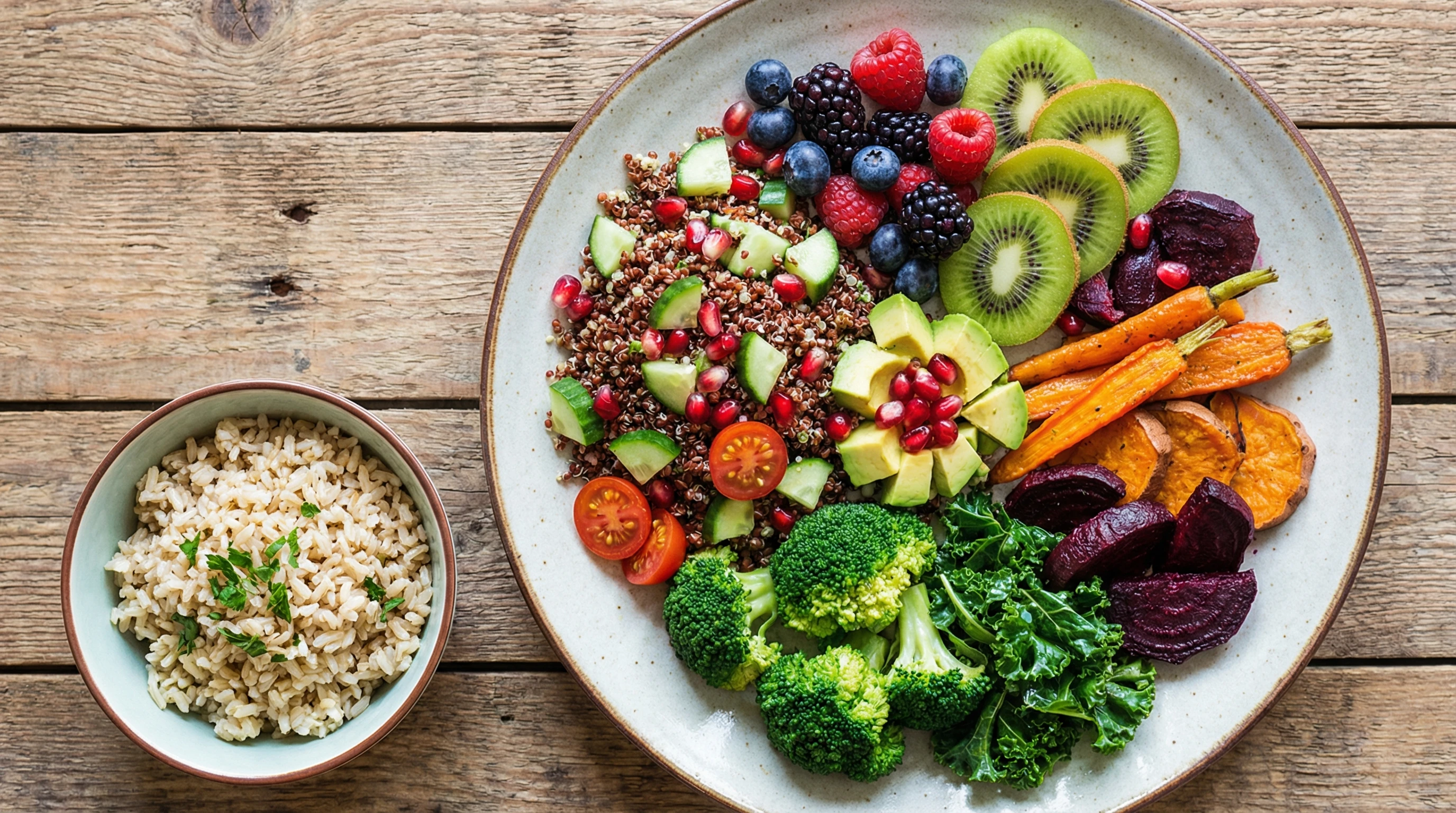
People with diabetes don’t need to swear off all carbs. It’s about filling your plate so there’s a balance: half with nonstarchy veggies, a quarter with lean protein, and a quarter with whole grains or starchy veggies. This approach isn’t fancy or complicated, and it works for most lifestyles and tastes.
- Breakfast: Greek yogurt with berries and a sprinkle of nuts gives you a boost of protein and natural sweetness for a great start to your day.
- Lunch: Turkey and veggie wrap on whole wheat with a side salad provides balanced energy without leaving you sluggish.
- Dinner: Grilled salmon, quinoa, and roasted broccoli combine carbs, protein, and healthy fats for a filling meal that supports steady blood sugar.
These meal ideas combine carbs, protein, and fat, so you get energy without wild blood sugar bumps. Feel free to play with combinations that fit your tastes and bring in more variety while still keeping things balanced. You can swap proteins or add more seasonal vegetables for a fresh twist every week.
Frequently Asked Questions
These are a few of the carb and diabetes questions I hear most often:
Q: Should I avoid carbs completely if I have diabetes?
A: No, skipping carbs altogether isn’t needed. Choosing smart carb sources and spreading them across the day is the way to go. Carbs are still your body’s main energy source, and quality makes more difference than quantity alone.
Q: Which carbs are better for blood sugar?
A: Whole grains, fruits, veggies, legumes, and lowfat dairy are better options because they have more fiber and nutrients that help keep blood sugar stable. Aiming for foods that take longer to digest pays off in longer-lasting energy and fewer blood sugar spikes.
Q: Is fruit off limits?
A: Not at all! Fruit is packed with vitamins and fiber. Just pay attention to portion sizes and, for some, pair fruit with protein or fat for slower blood sugar rises. Try apples with nut butter or a handful of berries mixed into greek yogurt.
Bringing It All Together
Managing carbs and diabetes is about making choices that fit your routine (and that you actually enjoy eating). Small switches in what and how you eat really add up. Swapping to whole grains, mixing in more fiber, and keeping portions in check go a long way toward better blood sugar and feeling your best. Staying curious about your food, how it makes you feel and how your blood sugar responds, isn’t just helpful, it’s a way to lift up yourself and take charge of your health. Whether you’re eating at home, out with friends, or packing a quick snack on a busy day, every smart choice supports your energy and well-being.
If you want more tips or support, connecting with a dietitian or diabetes educator can make managing carbs feel less complicated and more doable for the long haul. You’re definitely not alone on this adventure, and every small victory is worth celebrating!